The Ancient Origins of Presa Canario History
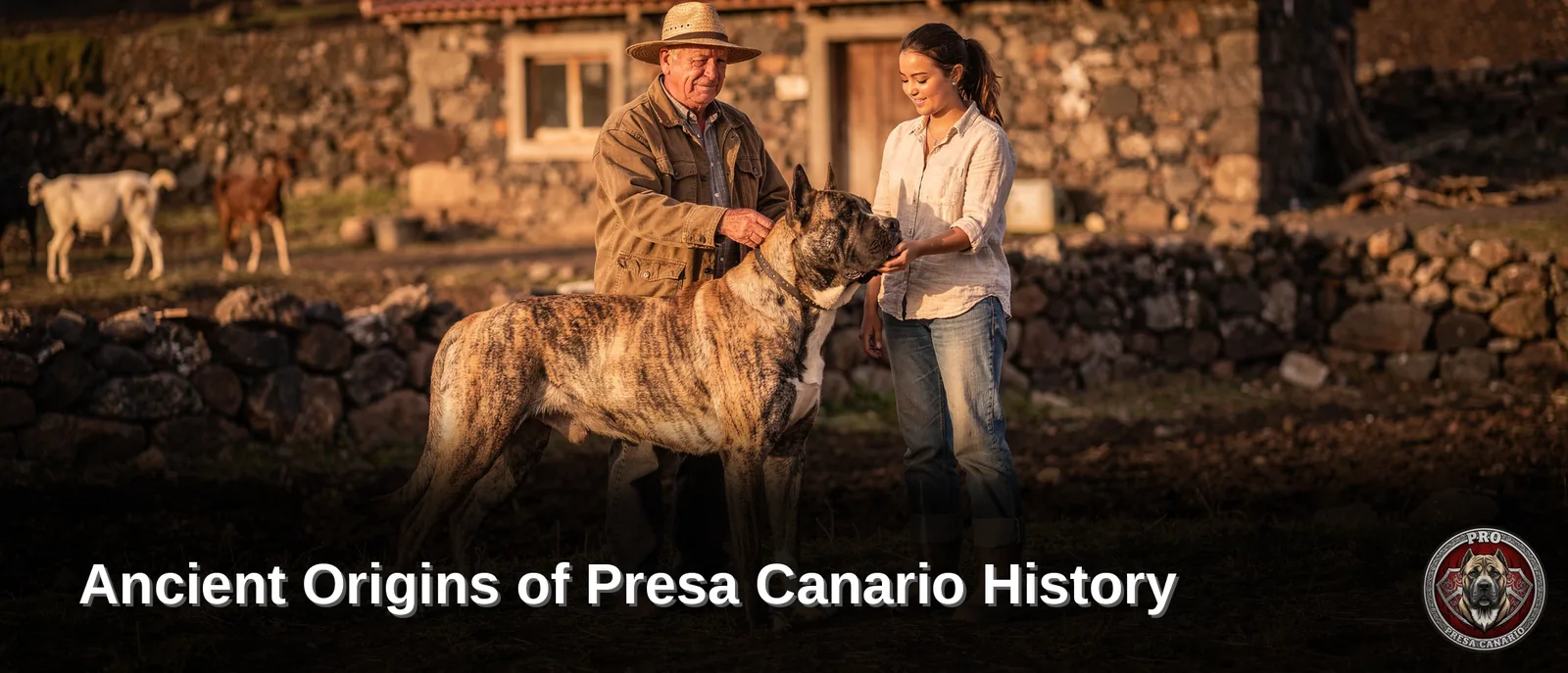
Ancient roots trace the Presa Canario to the Canary Islands. Spanish settlers developed a powerful working mastiff for herding, guarding livestock, and estate protection. Males typically stand 24–26 inches and weigh 100–180 pounds, showcasing the breed's strength, stability, and guardian instinct.
Where Did the Presa Canario's History Begin?
Spain's Canary Islands origin anchors the breed's story, with Gran Canaria and Tenerife serving as its primary birthplace. This island setting shaped a dog built for rugged terrain, livestock work, and constant vigilance. Understanding this presa canario history helps prospective owners grasp why the breed still carries such a strong guardian instinct today.
Why Does the Island Origin Still Matter for Today's Presa Canario?
Bloodline traceability matters because it protects the breed's original structure and temperament from dilution. Pro Presa Canario's foundation dogs descend directly from lines imported from the Canary Islands, preserving that unbroken connection. Breeding decisions center on quality, structure, and temperament — the same traits the islands' working dogs needed generations ago.
This continuity reflects a broader dogo canario heritage, one rooted in function rather than fashion. Few working dogs carry such a documented island lineage, making the Presa Canario a genuinely ancient dog breed with a traceable homeland.
How Did the Presa Canario Become a Working Dog?
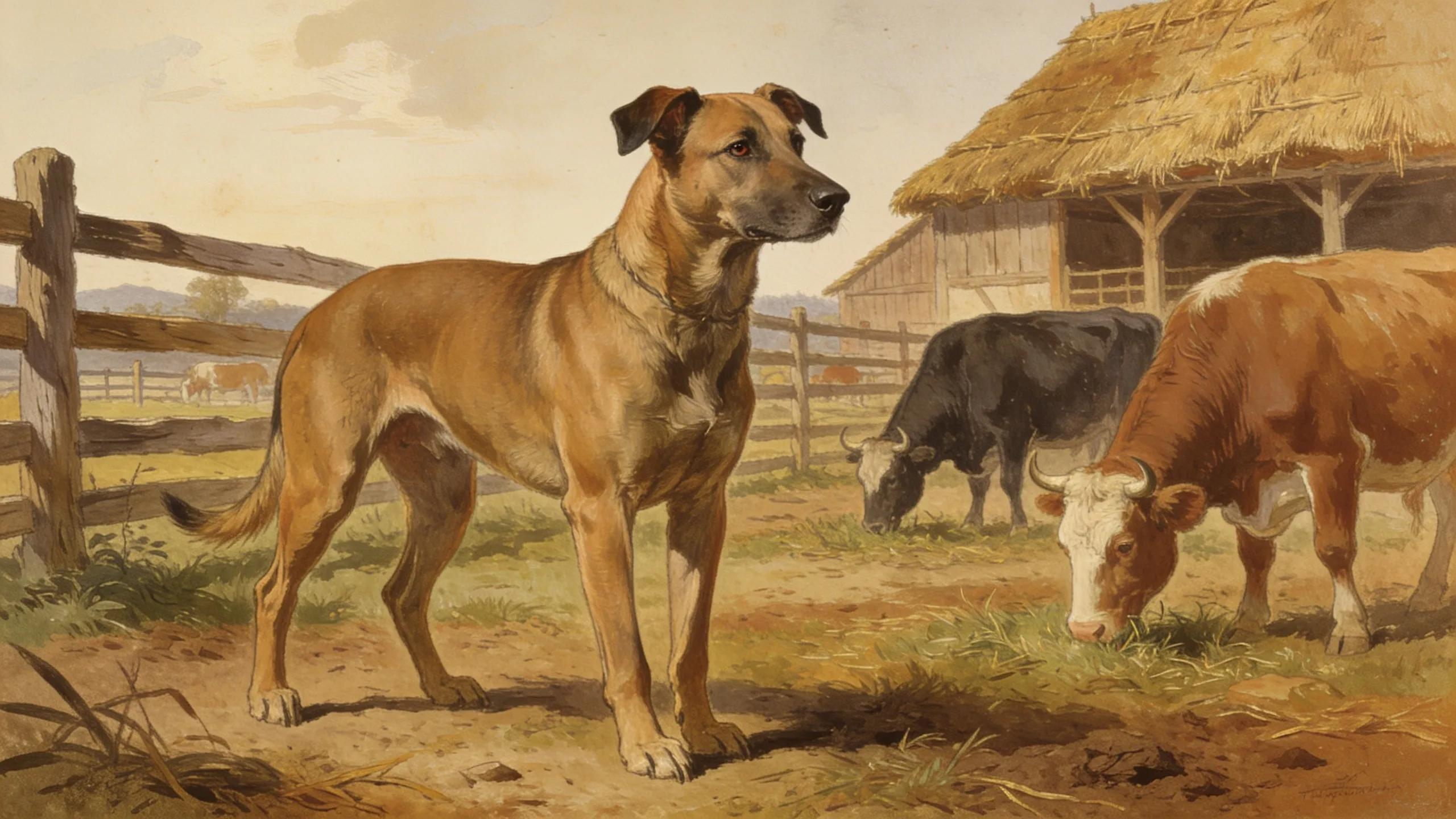
Farm labor shaped this breed long before any show ring existed. Records of presa canario history trace working duty back to the 15th. 16th centuries, when farmers on the islands needed a powerful, alert dog to guard livestock and property. That guarding instinct, paired with sharp awareness of surroundings, earned the breed its lasting reputation as a fearless protector rather than a passive farm companion.
What breed contributed to its working ability?
The Iberian Presa, also known as Perro de Ganado Majorero, forms a key branch of the breed's canary islands origin. This mastiff-type cattle dog, average in size but sturdy in build, worked herds across rugged island terrain. Its instinctive handling of livestock became a defining trait passed down through generations, shaping the dogo canario heritage still visible in working lines today.
Pro Presa Canario treats that working lineage as heritage worth protecting, not just a title to market. Bloodline pairings focus on preserving the structure, drive, and temperament forged by centuries of farm work, keeping this ancient dog breed true to its original purpose instead of diluting it for appearance alone.
Why Does This Ancient Lineage Matter Today?
Guardian instinct survives because breeders choose to protect it, not by accident. Centuries of presa canario history shaped a dog built for work, loyalty, and territorial defense. Traits modern households still value. Pro Presa Canario carries that inheritance forward through deliberate pairing rather than guesswork.
What does responsible breeding preserve from the original working dogs?
Structure, temperament, and stamina define the breed's working past, and Pro Presa Canario builds each litter around those three pillars. The kennel's bloodlines trace to prestigious lines imported from the Canary Islands. The United States, linking today's puppies to the canary islands origin that produced the breed's power and balance.
Why does bloodline selection matter for future owners?
Health and appearance depend on choices made generations back. Pro Presa Canario's pairings target:
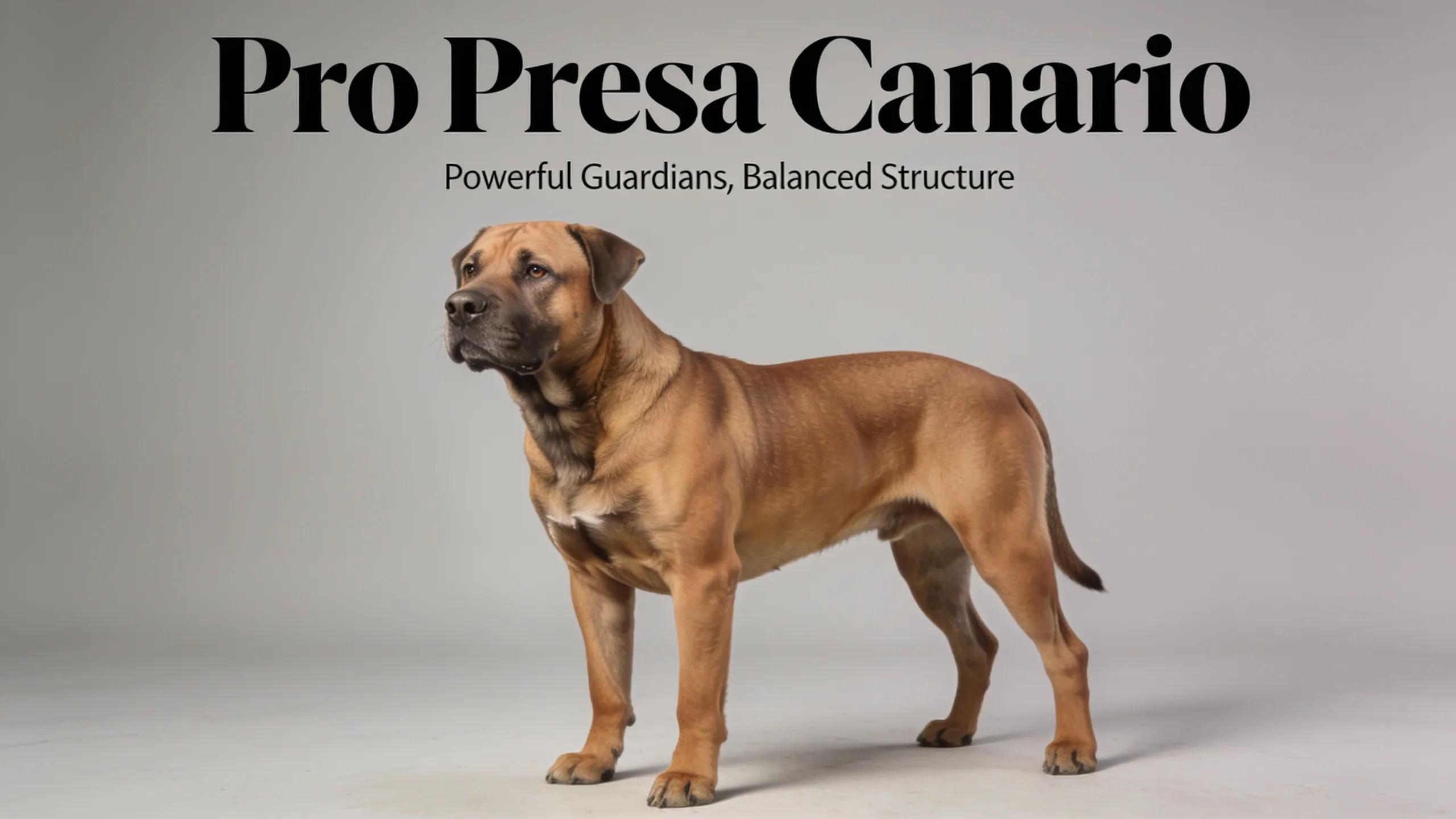
- Strong, balanced structure suited to protection work
- Long-term health outcomes across breeding lines
- A stable, loyal temperament rooted in dogo canario heritage
As a Presa Canario breeder based in Canada, the kennel extends this ancient dog breed's legacy directly to prospective owners.
Conclusion
In closing, the Presa Canario's ancient heritage as a guardian and working dog remains embedded in the breed's fundamental character today. Understanding this historical foundation—rooted in centuries of selective breeding for protection, loyalty, and structural power—underscores why responsible modern breeding practices prioritize preserving these essential traits. The breed's legacy demands breeders who respect its working origins while advancing health. Temperament through deliberate genetic stewardship, ensuring future generations maintain the true Presa Canario spirit.